Efficient Logistics: How To Choose a Portable Loading Dock Ramp

Efficient logistics and material handling are the backbone of any successful industrial operation. For many businesses, the challenge isn't just about moving goods—it’s about moving them where traditional infrastructure doesn't exist. Whether you are operating out of a temporary warehouse or managing a high-volume shipping yard, the ability to bridge the gap between the ground and a truck bed is essential.
In this guide, we will explore how to select the ideal portable loading dock ramp for your specific needs. We will also share some recent news regarding our global shipments and take a closer look at the technical advantages of the DCQY Series.
Expanding Global Logistics: DCQY Series Headed to Chile
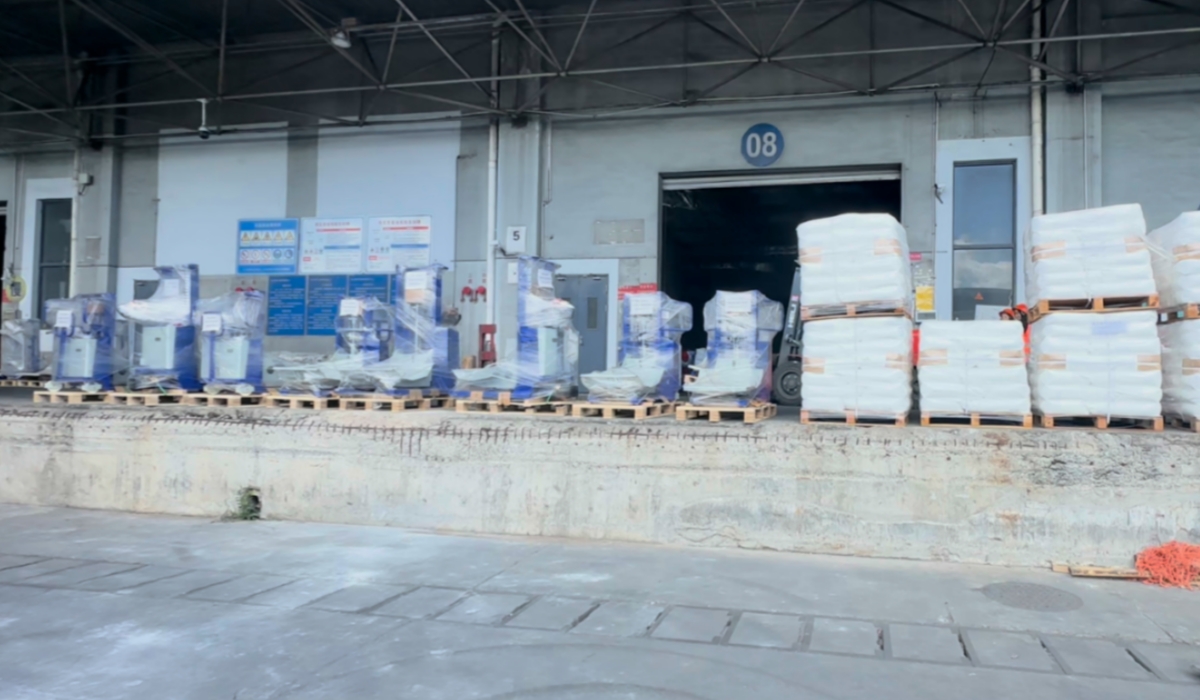
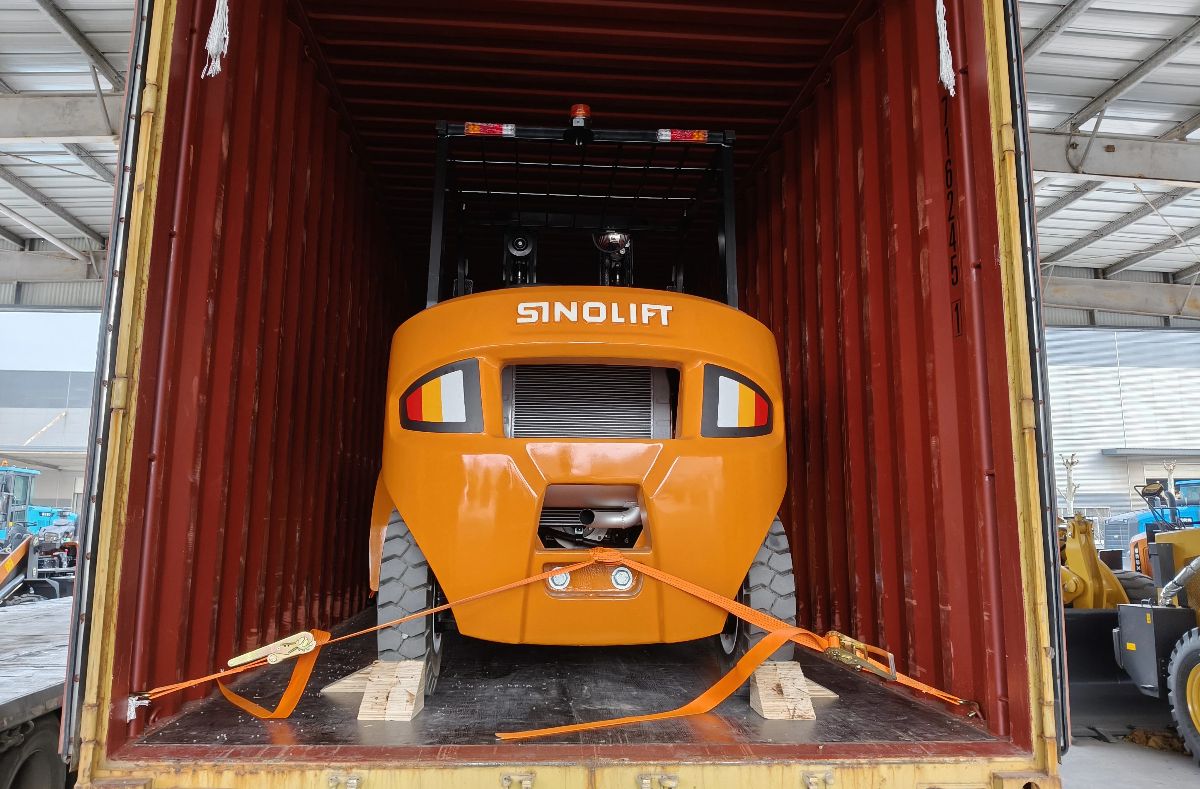
We are pleased to share a recent milestone in our international operations. A shipment of our DCQY Series Mobile Stationary Yard Ramp Dock Levelers has been successfully loaded into containers and is currently en route to our clients in Chile.
This shipment represents a growing trend in the South American logistics sector. Companies there are increasingly looking for flexible solutions that do not require permanent construction. The DCQY series was selected for this specific project because of its versatility in rugged environments and its independence from electrical power sources. By choosing a mobile solution, our Chilean partners can now turn any open space into a functional loading hub.
A Practical Look at the DCQY Series Mobile Yard Ramp
The DCQY Series is designed as a specialized auxiliary equipment for rapid cargo loading and unloading. Its primary function is to act as a bridge between the ground and a vehicle. This allows a forklift to drive directly from the floor into the back of a truck or trailer.

Key Features of the DCQY Series:
- Manual Hydraulic System: One of the most practical features of this ramp is its power source—or rather, its lack of one. It uses a manual hydraulic pump. This means you do not need to worry about electrical outlets or trailing cables. A single operator can adjust the height easily.
- High Portability: The ramp is equipped with durable tires. When you need to use the ramp, the tires can be lifted off the ground using the manual pump. When it’s time to move to a new location, simply lower the wheels. It can be moved by hand or towed by a forklift.
- Security and Stability: Each unit comes with adjustable safety chains. These chains hook onto the truck to ensure the ramp and the vehicle stay tightly connected during the entire loading process. Additionally, the ramp features two brake pads to prevent any unwanted shifting while a forklift is in motion.
- Low Maintenance: Because the design is mechanical and hydraulic, there are very few electrical parts to fail. This makes it a "buy it and forget it" solution for busy yards.
Evaluating Your Load Capacity Requirements
The most critical step in choosing a ramp is determining the weight capacity. This is not just about the weight of your heaviest pallet. You must calculate the Total Gross Weight. This includes the weight of the forklift, the weight of the driver, and the maximum weight of the load being carried.
A common mistake is choosing a ramp that just barely meets your current maximum load. Professional standards suggest selecting a ramp with a capacity that is two to three times the total weight of your heaviest loaded forklift.
Why is this safety margin so high? When a forklift moves across a ramp, it creates dynamic forces. Braking, accelerating, and the vibration of the engine all place extra stress on the steel structure. A higher capacity ensures the ramp remains rigid and safe for years, even under heavy daily use.
Determining the Correct Size and Slope
Size is about more than just fitting in your yard. It directly impacts safety and operational speed. You need to look at three specific dimensions: length, width, and height range.
The Importance of Length
The length of the ramp dictates the incline or "slope." A short ramp creates a very steep climb. Steep slopes are dangerous because they reduce traction and increase the risk of the forklift tipping backward. A longer ramp provides a gentler incline. This makes it much easier for the forklift to maintain speed and control, especially when the ramp is wet or the load is top-heavy.
Width for Maneuverability
The ramp must be wider than your widest piece of equipment. We recommend choosing a ramp that is at least 15 inches wider than your forklift. This extra space gives the operator a "buffer zone." It prevents the forklift tires from getting too close to the side rails, which reduces the stress on the operator and lowers the chance of accidents.
Height Adjustability
Truck beds are not uniform. A standard semi-trailer has a different height than a specialized delivery van. Ensure the ramp you choose has a wide enough vertical range to meet every vehicle in your fleet. The DCQY series, for example, uses its manual pump to cover a broad range of heights, making it compatible with almost any standard freight vehicle.

Material Choice: Steel vs. Aluminum
The environment where you work will dictate which material is best for your loading dock ramp.
Steel Ramps are the industry standard for heavy-duty applications. They offer incredible structural strength and a high resistance to wear and tear. If your facility handles heavy machinery or operates 24/7, steel is likely the best choice. However, steel can rust if the coating is damaged, so it requires occasional paint touch-ups if used outdoors.
Aluminum Ramps are much lighter. This makes them significantly easier to move if you do not have a forklift available to tow the ramp. Aluminum is also naturally resistant to corrosion. If you work in a coastal area with salty air or a facility that handles chemicals, aluminum might be the more durable long-term investment despite its higher initial cost.
Essential Safety Features to Look For
Safety is not an optional extra; it is the most important part of the ramp. When comparing different models, check for these specific features:
- High-Traction Grating: The surface of the ramp should not be solid flat steel. Look for open serrated steel grating. This design allows rain, snow, and debris to fall through the ramp rather than sitting on top. It provides the best possible grip for forklift tires in all weather conditions.
- Side Curbs: These are the raised rails along the edges of the ramp. They act as a physical barrier to prevent a forklift from accidentally driving off the side.
- Braking Systems: As mentioned with the DCQY series, look for ramps that include brake pads or wheel chocks. These ensure the ramp stays pinned to the ground while the forklift transitions from the ramp to the truck.
- Safety Chains: Never operate a ramp without securing it to the vehicle. Heavy-duty chains are the most reliable way to prevent the truck from "creeping" forward away from the dock during loading.
Matching the Ramp to Your Equipment
Not all forklifts interact with ramps in the same way. Before you make a purchase, consider the following equipment details:
- Tire Type: If your forklift has small, solid tires (common in indoor warehouses), you need a very smooth transition plate at the top and bottom of the ramp. Larger pneumatic tires (outdoor style) can handle slight bumps more easily.
- Under-Clearance: Some electric forklifts have low battery compartments. If the transition angle at the top of the ramp is too sharp, the belly of the forklift might scrape or get stuck. Always check the "breakover angle" of your equipment against the ramp specifications.
- Braking Power: Does your forklift have the torque to stop and start on an incline? This is particularly important for older electric models that may struggle with heat buildup during repeated ramp climbs.
Analyzing Your Specific Application
Where will this ramp live? If it is staying in one spot in a paved yard, a "Mobile Stationary" hybrid is perfect. However, if you need to move the ramp across gravel or uneven dirt, you will need a model with larger, more robust tires.
Frequency of use is another factor. For a business that loads one truck a week, a basic manual model is sufficient. For a high-speed distribution center loading fifty trucks a day, you might want to look into hydraulic systems that can be adjusted even faster.
Investing in a portable loading dock ramp is about solving a logistical bottleneck. By focusing on weight capacity, safety, and adjustability, you ensure that your facility remains flexible. A well-chosen ramp doesn't just move goods—it protects your employees and your equipment from unnecessary risk.
If you are currently evaluating your loading site and need guidance on which model fits your specific forklift fleet, our team is here to help. We can provide detailed technical drawings and capacity charts to ensure your next ramp is a perfect match for your operations.
✉ Email: shanghai@sinoliftcorp.com
info@sinoliftforklift.com
☎ Phone/WhatsApp: +86 13918731490
30 CDD1000-M700 Fully Electric Paper Roll Lifters Loaded for Shipment to Peru
Custom 5-Ton and 8-Ton Forklift Solutions Successfully Delivered to UAE Client