Keeping Your Warehouse Moving: A Practical Guide to Electric Forklift Battery Care
An electric forklift is the beating heart of a modern warehouse. You rely on these machines to lift heavy loads, load trucks, and organize inventory. Without them, your daily workflow quickly grinds to a halt. Your operation needs reliable equipment. Keeping your units running smoothly starts with the power source.
Understanding proper Forklift Battery Maintenance is an essential skill. It saves your business money. It protects your warehouse workers from harm. It also extends the life of your expensive equipment. This guide will walk you through the practical steps to care for your battery and keep your business moving forward.
Why Routine Battery Care Cannot Wait
Routine equipment checks can easily feel like a burden. Warehouse managers already have busy schedules. Because of this, many companies push battery care to the bottom of the list. They focus purely on moving more pallets. However, you cannot be productive if your forklift is broken. Even losing one machine out of a large fleet hurts your daily output.
Protecting Your Team from Hidden Hazards
Safety is the most important reason to prioritize maintenance. Forklift safety usually focuses on driving speeds and weight limits. People often forget the threats hiding inside the battery box.
A poorly maintained battery is a severe safety hazard. If a traditional battery is constantly overcharged, it can boil over. This leaks dangerous battery acid onto the floor. In extreme cases, poorly ventilated batteries can build up explosive gases.
Weak batteries also cause sudden power loss. Imagine a forklift losing power while lifting a massive pallet of steel up to a high shelf. The load could drop suddenly. This puts the driver and everyone walking nearby in extreme danger.
Preventing Expensive Warehouse Damage
Skipping basic maintenance tasks will cost you much more money later. Battery problems easily spread to the rest of the forklift. A faulty battery can send inconsistent voltage to the engine. This fries your forklift's sensitive wiring and electrical computer boards. Replacing an entire electrical system costs far more than a basic cleaning kit.
Furthermore, equipment failure causes physical damage. If a forklift stalls in a tight aisle, it might crash into your shelving units. It could crush valuable inventory. Repairing damaged warehouse racks takes a massive chunk out of your monthly profits.
Extending the Life of Your Investment
A standard lead-acid battery usually lasts between three to five years. Your daily maintenance habits decide whether you reach that five-year mark. Batteries that are constantly undercharged will suffer permanent damage. Extreme hot or cold warehouse temperatures also drain their lifespan. Sticking to a strict care routine keeps your battery healthy for as long as possible.
Building a Reliable Care Schedule
Good Forklift Battery Maintenance requires consistency. You do not need a complicated system. You simply need a reliable calendar. By assigning specific tasks to specific days, you catch small problems before they become major disasters.
Start by reading the manufacturer's manual. This book tells you exactly when to perform specific checks. It usually bases these rules on the number of charge cycles. If you bought a brand-new forklift, tracking this is easy. You are starting fresh.
If you bought a used forklift, do some research. Try to get the old maintenance records. You need to know the battery's age, the brand, and its repair history. If you cannot find this history, hire a professional mechanic. Have them inspect the battery to make sure it is safe. Use their inspection report as the starting point for your new daily schedule.
Essential Steps for Traditional Battery Upkeep
If your fleet uses standard lead-acid batteries, your team needs to perform several hands-on tasks every week.
Monitoring the Fluid Levels
Traditional batteries hold a liquid solution inside their cells. This fluid is a mixture of water and sulfuric acid. It conducts the electricity that powers the forklift. Checking this fluid is incredibly important.
You must carefully remove the plastic cell caps. Look closely at the fluid level inside each hole. If the liquid is too low, the internal metal plates dry out. The battery will lose its ability to hold a charge. If the liquid is too high, the acid will bubble out and spill during charging.
When levels drop, you must add pure distilled water. Never use tap water. Tap water contains minerals that will permanently destroy the battery cells. Also, only add water after the battery is fully charged. Adding water before charging causes the fluid to expand and overflow.
Keeping the Surface Clean
Acid vapor and warehouse dust naturally settle on the top of the battery over time. This wet grime acts as a conductor. It can cause the battery to slowly lose power even when the forklift is turned off.
You should clean your batteries once a week.
- Put on safety glasses and acid-resistant gloves.
- Mix standard baking soda and clean water in a bucket. Make a thin, slightly abrasive paste.
- Gently scrub the top of the battery with a soft brush and the paste. The baking soda naturally neutralizes any leaked acid.
- Rinse the battery with a damp rag.
- Dry the surface completely with clean towels. Make sure no dirty water falls down into the cell holes.
Keep a checklist on the wall near the charging station. Have your staff sign their name when they finish the weekly cleaning.
Inspecting Cables and Connectors
Power must travel smoothly from the battery down to the forklift motor. The cables and metal connectors do this heavy lifting. Inspect these parts carefully.
Look at the thick black and red cables. Check for any frayed or exposed copper wires. Look closely for crusty green or white corrosion on the metal connectors. If the metal is corroded, the power cannot flow. Make sure the connectors click together tightly. Loose connections create dangerous electrical sparks.
Also, make sure the cables are routed correctly. They should not be pinched under the heavy metal battery door. If you find damaged cables, replace them immediately. Do not try to tape them together.
Smart Charging Habits
Charging a forklift seems easy, but doing it wrong ruins batteries fast. Follow the specific guidelines for your battery type.
Always use the exact charger recommended by the manufacturer. Using a mismatched charger feeds the wrong voltage into the cells. This destroys the battery from the inside out.
Never unplug a traditional battery before it reaches a 100% full charge. Interrupting the charge cycle confuses the battery memory. You should also avoid letting the battery drop below a 20% charge before plugging it in. Running a battery completely dead causes massive internal wear.
Inspect your charging area regularly. Look at the heavy cables on the wall charger. If the metal prongs look burned or melted, replace them right away.
Eliminating Maintenance: The Lithium-Ion Advantage
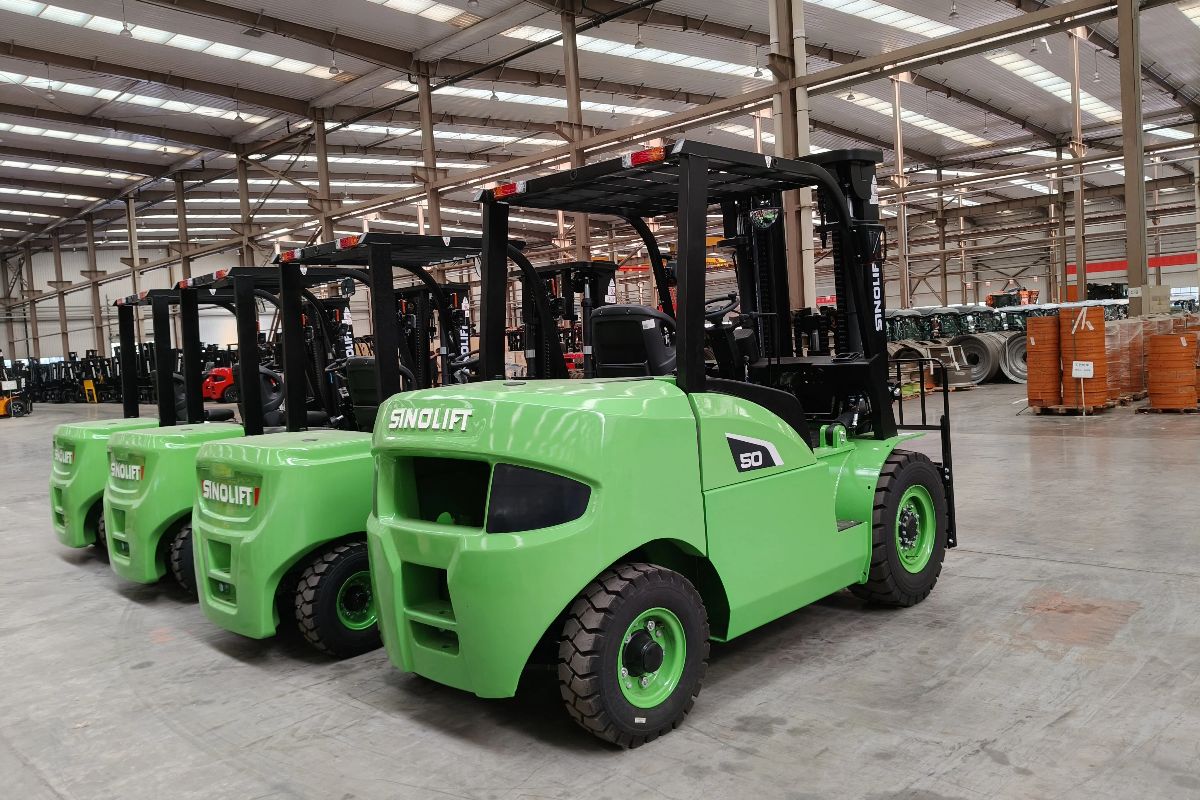
Traditional lead-acid batteries demand hours of weekly maintenance. Checking water levels, cleaning acid spills, and waiting for long cooling periods wastes valuable shift time. If your team skips these steps, your equipment fails. This is exactly why modern warehouses are upgrading to a lithium-ion Forklift.
Lithium-ion technology completely changes the rules of equipment care. These advanced batteries are totally sealed. They never require distilled water. They do not leak dangerous acid, so you never have to scrub them with baking soda. They also allow for flexible "opportunity charging." This means your drivers can plug the forklift in for just 20 minutes during a coffee break without damaging the battery.
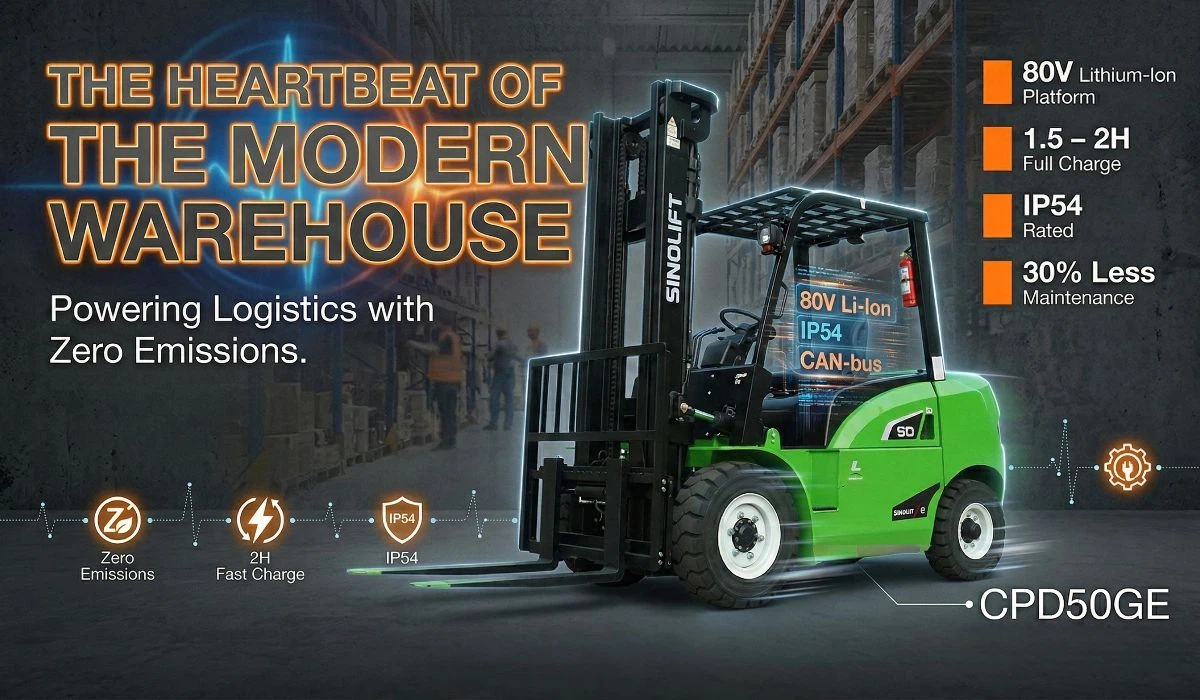
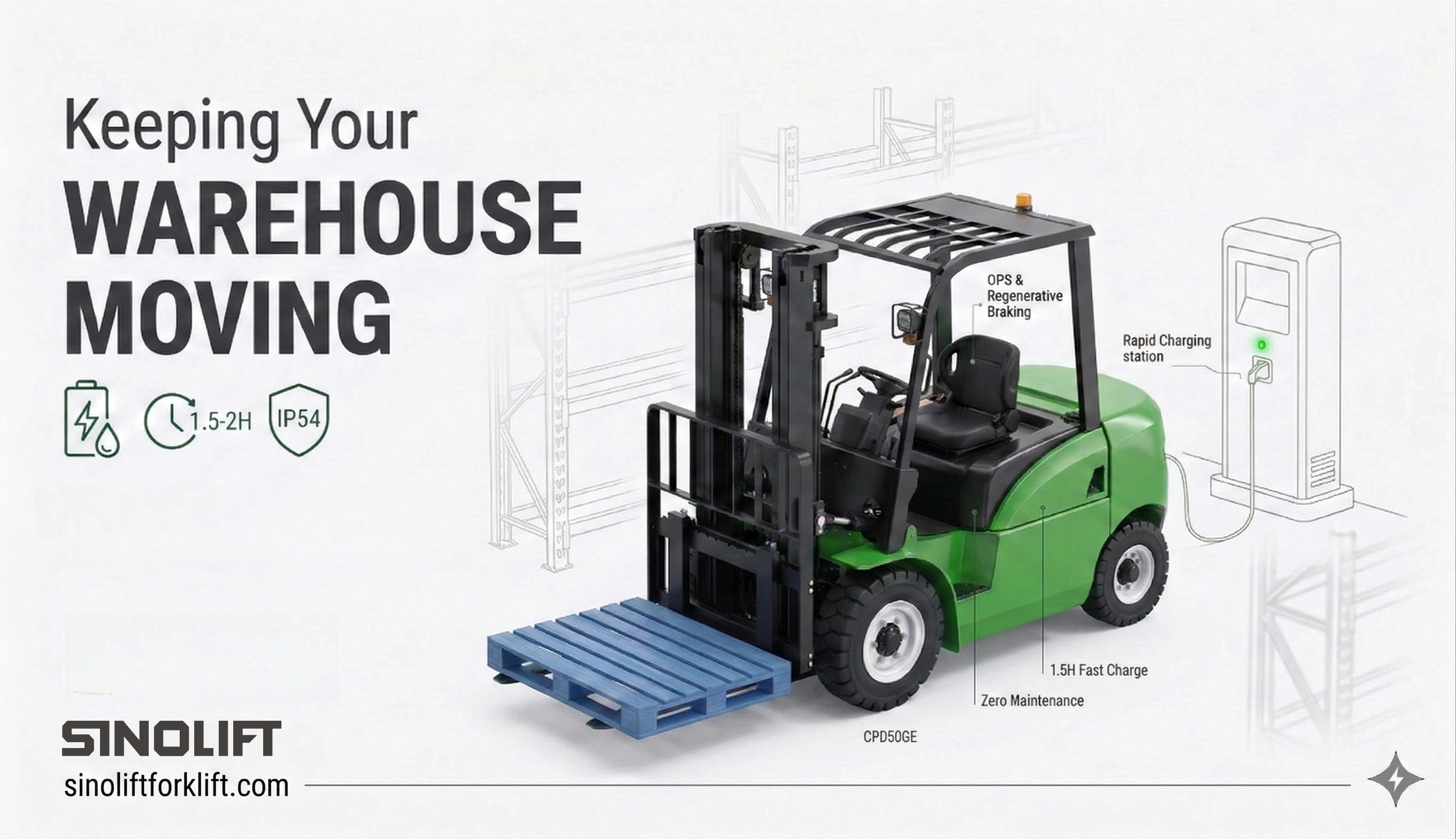
If you want to eliminate battery maintenance headaches while gaining massive power, you should look at the CPD50GE Lithium-Ion Counterbalance Forklift Truck.
This heavy-duty 5-ton electric truck is engineered to replace loud, dirty diesel forklifts. It gives you true internal combustion lifting strength, but with zero indoor emissions. Here is how it improves your daily operation:
- Zero Battery Watering: The advanced 80V lithium-ion system is entirely maintenance-free. It cuts your routine warehouse service time by roughly 30%. You never have to buy distilled water again.
- Rapid Charging: You do not have to wait eight hours for a charge to finish. The CPD50GE reaches full power in just 1.5 to 2 hours. You can plug it in during shift changes to keep the machine running 24 hours a day.
- All-Weather Toughness: It is built with an IP54-rated electrical system. This protects the internal parts from thick dust and splashing water. You can confidently drive it out into a rainy lumber yard or use it inside a freezing cold-storage facility.
- Operator Comfort and Safety: The ergonomic cabin features a wide-view mast so drivers can clearly see their loads. It also includes an operator presence sensing (OPS) system and regenerative braking. These smart features automatically protect your team and prevent unauthorized drivers from starting the engine.
Using the right equipment is the easiest way to keep your warehouse productive. Upgrading your tools saves you hours of daily labor, cuts your long-term repair costs, and keeps your inventory moving safely.
Making the Right Call: How to Decide Between a Diesel and Electric Forklift
Maximizing Warehouse Density: A Comprehensive Guide to Choosing the Right Electric Forklift