What are the Different Types of Heavy Lifting Equipment?
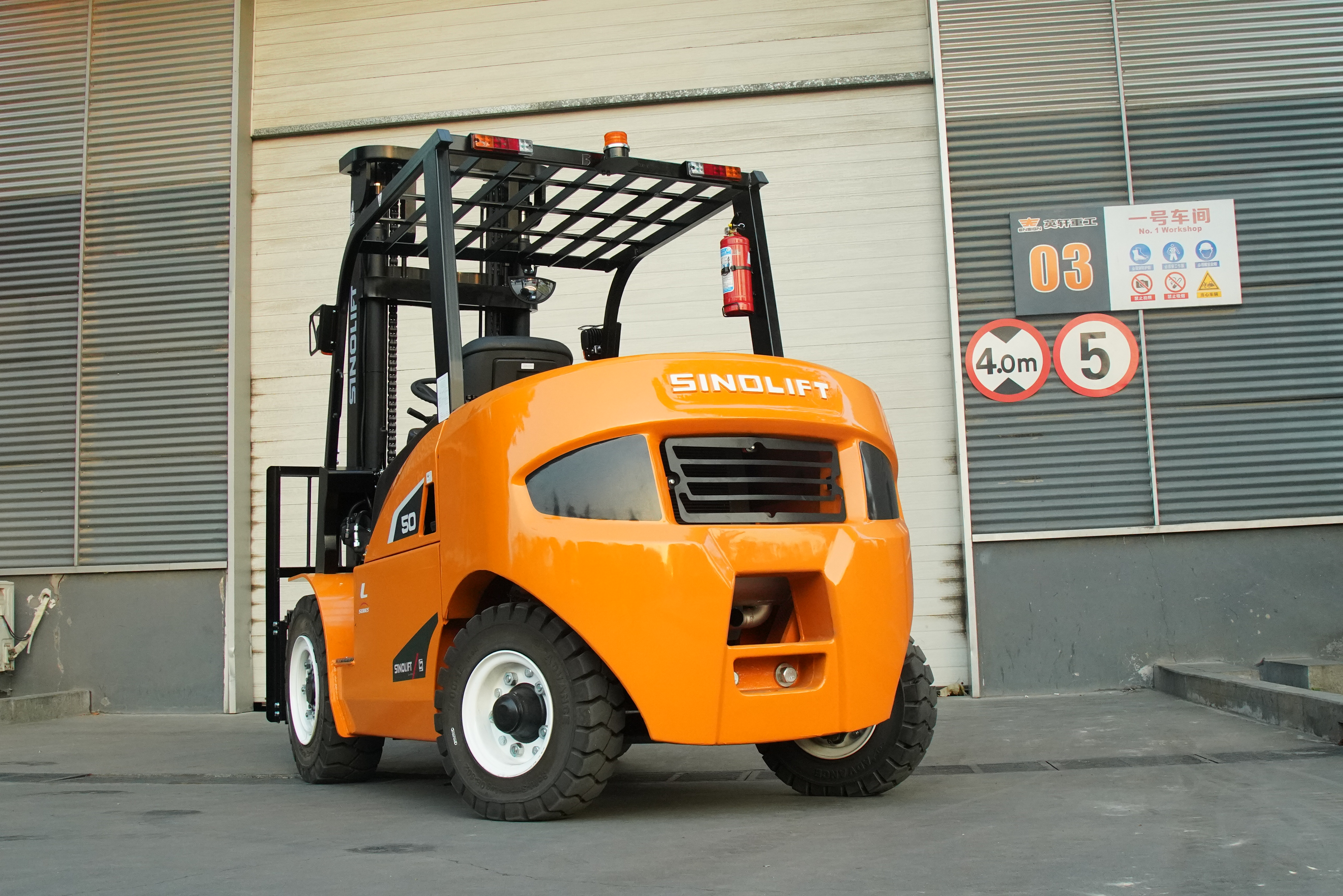
Forklifts are a popular option, with a worker driving it like a small vehicle. The front of the machine features two metal protrusions designed to slide into a wood pallet, making it easy to move products around a warehouse. The forked front end can also lift items safely into tall storage areas.
Winches use a wound rope to pull an item – commonly used during towing – and are often attached in a stationary position against a wall or on a service truck. Workers attach the winch’s end hook to the equipment to be transported, allowing the winding mechanism to pull it.
Hoists use a chain or rope to lift small items, such as a car engine block, upwards. They are often permanently attached to the ground in repair shops or warehouses, and the heavy object must be maneuvered over to the hoist for lifting, often with the aid of forklifts.
Cranes utilize an angled boom to move items up and down, as well as side to side. They are very versatile, with designs that allow for small and large sizes to fit lifting needs. Most crane designs include the ability to turn horizontally in a complete circle, making it possible to move large objects in any direction.
Vacuum lifts use high-pressure air vacuums to adhere to heavy objects for lifting. They’re ideal for lifting oddly-shaped items such as panes of glass and even heavier objects like cargo containers, making loading and unloading ships in port more efficient.
Lifting equipment can be expensive to purchase outright, so many businesses choose to lease or rent based on their needs. Leases can be contracted for daily, monthly, or yearly use, and business owners should consult equipment leasing companies for help in choosing the correct lift for their specific needs.
How Does a Walkie Stacker Work?
Forklift Maintenance 101 Benefits, Frequency and Cost