Master These 7 Forklift Hand Signals to Stay Safe
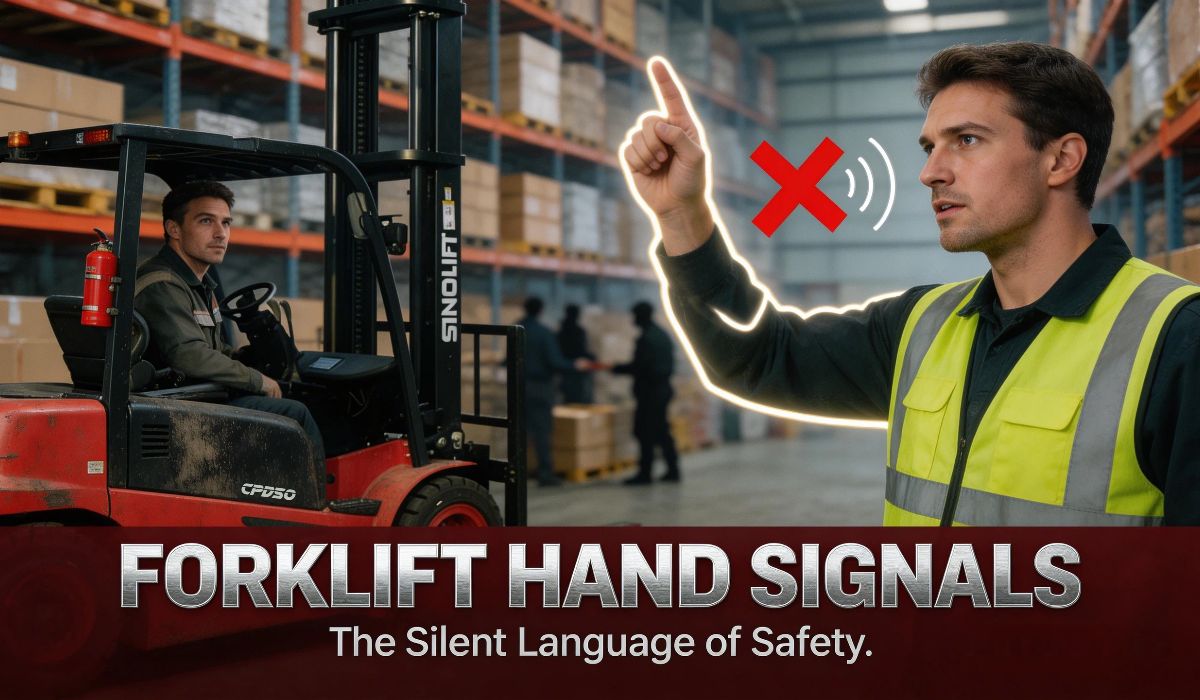
Forklifts are incredibly powerful tools. They move heavy materials quickly. They save businesses a lot of time. They reduce physical strain on workers. They are vital for warehouses and construction sites. However, they are also dangerous machines. A heavy forklift can cause severe damage. It can cause serious injuries. It can even cause fatal accidents. You must always handle a forklift cautiously. Safety must always come first.
Work sites are often very loud places. Engines roar constantly. Reverse alarms beep loudly. Other machines create background noise. Workers often wear ear protection. In these noisy environments, talking is not enough. Shouting across a warehouse floor does not work. Misunderstanding a spoken command is very easy. This is why visual communication is essential. Every forklift operator must know standard visual cues. Every spotter must know them too. They need a shared language. This shared language relies on the body. Specifically, it relies on forklift hand signals.
According to the Occupational Safety and Health Administration (OSHA), safety rules are strict. Operators must follow specific protocols. They must follow OSHA forklift hand signals. These gestures remove the guesswork from moving heavy loads. They keep everyone safe. Below are the seven standardized signals you need to master.
Guiding the Forks Safely
The front forks do the hardest work. We also call these forks the tines. Moving the tines correctly is very important. A slight mistake can cause a pallet to fall. It can damage expensive inventory. It can break the warehouse racks. The spotter uses specific gestures to guide the forks. The first three signals control these basic movements.
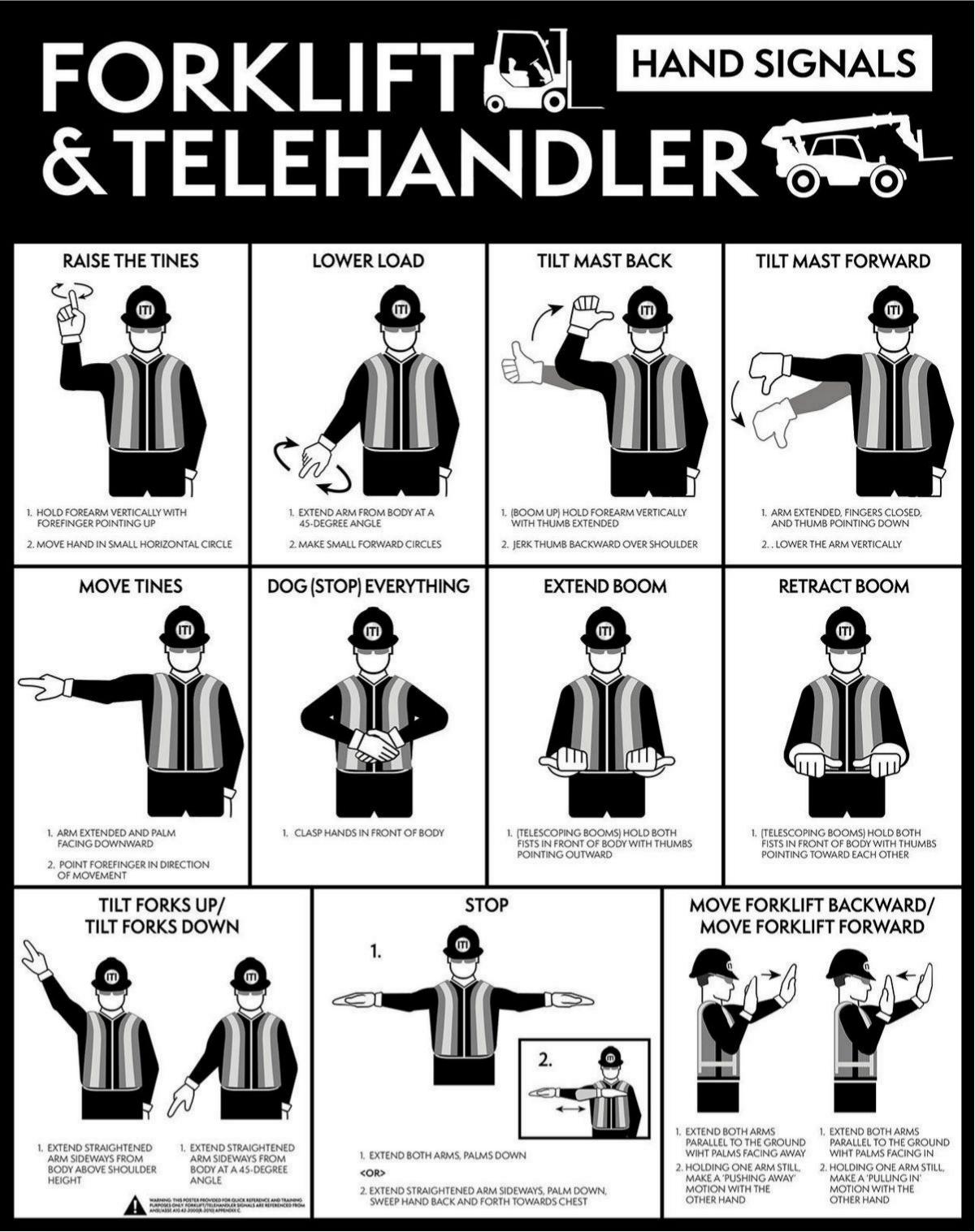
Sometimes a load sits unevenly. The operator needs to balance the weight. They might need a tiny adjustment to slide into a pallet. The spotter helps guide this shift. To move the tines to the right, the spotter lifts their right arm. They extend it to the side of their body. The arm must be completely parallel to the floor. Then, they point directly to the right. To signal moving the tines left, the spotter switches arms. They raise their left arm to the side of their body. They hold it parallel to the floor. They point directly to the left. The operator sees this and shifts the forks slowly.
Picking up a load requires high precision. Dropping off a load requires the exact same care. The forks must lower smoothly. The spotter stands in a safe place. They extend their right arm straight out. They hold their hand flat. The palm faces down toward the floor. Then, the spotter slowly lowers their arm. They move it down toward their body. The operator matches this speed. The operator lowers the forks slowly. When the spotter stops moving their arm, the operator stops the forks.
Lifting heavy pallets to high shelves is a daily task. The operator often cannot see the top shelf clearly. The spotter must guide the lift. When it is time to lift a load, the spotter acts. They raise their right arm up. They bend the arm at the elbow. They point their index finger toward the sky. Then, they move their hand in a smooth circular motion. They twirl the finger around. They keep twirling until the tines reach the correct height. The operator watches closely. The operator lifts the forks as long as the twirling continues.
Adjusting the Mast Angle
The mast is the tall vertical part of the forklift. It holds the carriage and the forks. The mast does not just go up and down. It also tilts. Tilting the mast forward pushes a load away. Tilting the mast backward brings a load closer. Proper tilt keeps the load balanced. It stops boxes from sliding off the front. The following two signals manage the mast.
The operator tilts the mast forward to drop a load. This action pushes the load further from the forklift carriage. The spotter points their arm to the right side. They make a thumbs-down signal with their hand. Then, they slowly move their arm backward toward their body. The operator watches this thumbs-down gesture. They tilt the mast forward carefully. They stop when the mast reaches the correct angle.
Tilting the mast back is a crucial safety step. It secures the load before moving the forklift. It shifts the center of gravity closer to the machine. To tilt the mast backward, the spotter raises their right arm. They bend it to form a square shape. They make a clear thumbs-up signal. Then, they slowly move this hand toward their shoulder. The operator pulls the mast control back. The load tilts back safely.
Handling Unexpected Dangers
Warehouses change from second to second. A worker might walk out from behind a rack. A loose box might fall into the driving lane. Another vehicle might block the path. Emergencies happen fast. Verbal warnings are too slow in an emergency. The last two signals deal with sudden hazards. They demand immediate action.
- Dog Everything:
This signal acts like a pause button. An unexpected hazard might suddenly appear. A situation might feel unsafe. The spotter needs to pause the entire operation. To do this, the spotter clasps their hands together. They hold their clasped hands in front of their body. The hands rest right at waist level. The operator sees this signal. The operator stops all machine movements instantly. They do not lift. They do not drive. They just wait. They only resume when the spotter gives a new, safe signal.
- Emergency Stop:
This is the most critical gesture of all. It means extreme and sudden danger. Operations must cease right now. Anyone on the active worksite can give this signal. You do not have to be the designated spotter. If you see a severe hazard, you must use it. The operator must obey it immediately. The person giving the signal extends both arms straight out. They point them to the sides of the body. Both arms remain completely parallel to the ground. The palms of both hands face firmly down. The operator slams on the brakes. They cut the power if necessary.
Building a Culture of Safe Operations
Knowing these standard gestures is just the beginning. You must apply them correctly every single shift. Operators and spotters must build total trust. They must establish clear eye contact before moving the machine. If the operator ever loses sight of the spotter, they must stop the forklift immediately. Never guess a signal. Guessing causes severe accidents. Always confirm the movement.
Spotters should wear bright, high-visibility clothing. Bright vests make arm movements much easier to see. Keep warehouse aisles well-lit. Hold regular safety training sessions. Teach these standard OSHA movements to every new hire. Refresh the memories of your veteran workers. Clear visual communication keeps your workflow steady. It prevents damaged goods. Most importantly, it ensures every worker goes home safely at the end of the day.
For professional product selection guidance or technical support, our expert team is at your service:
Contact Information:
✉ Email: shanghai@sinoliftcorp.com
☎ Phone/WhatsApp: +86 13918731490
We provide:
• Customized equipment recommendations
• Detailed product specifications
• On-site technical consultation
• After-sales support
Get your tailored material handling solution today!
Maximizing Warehouse Density: A Comprehensive Guide to Choosing the Right Electric Forklift
Maximize Warehouse Space & Cut Costs: How SINOLIFT's Bale Clamp Forklifts Transform Recycling